
At a glance
The short answer: rule out billing errors before testing
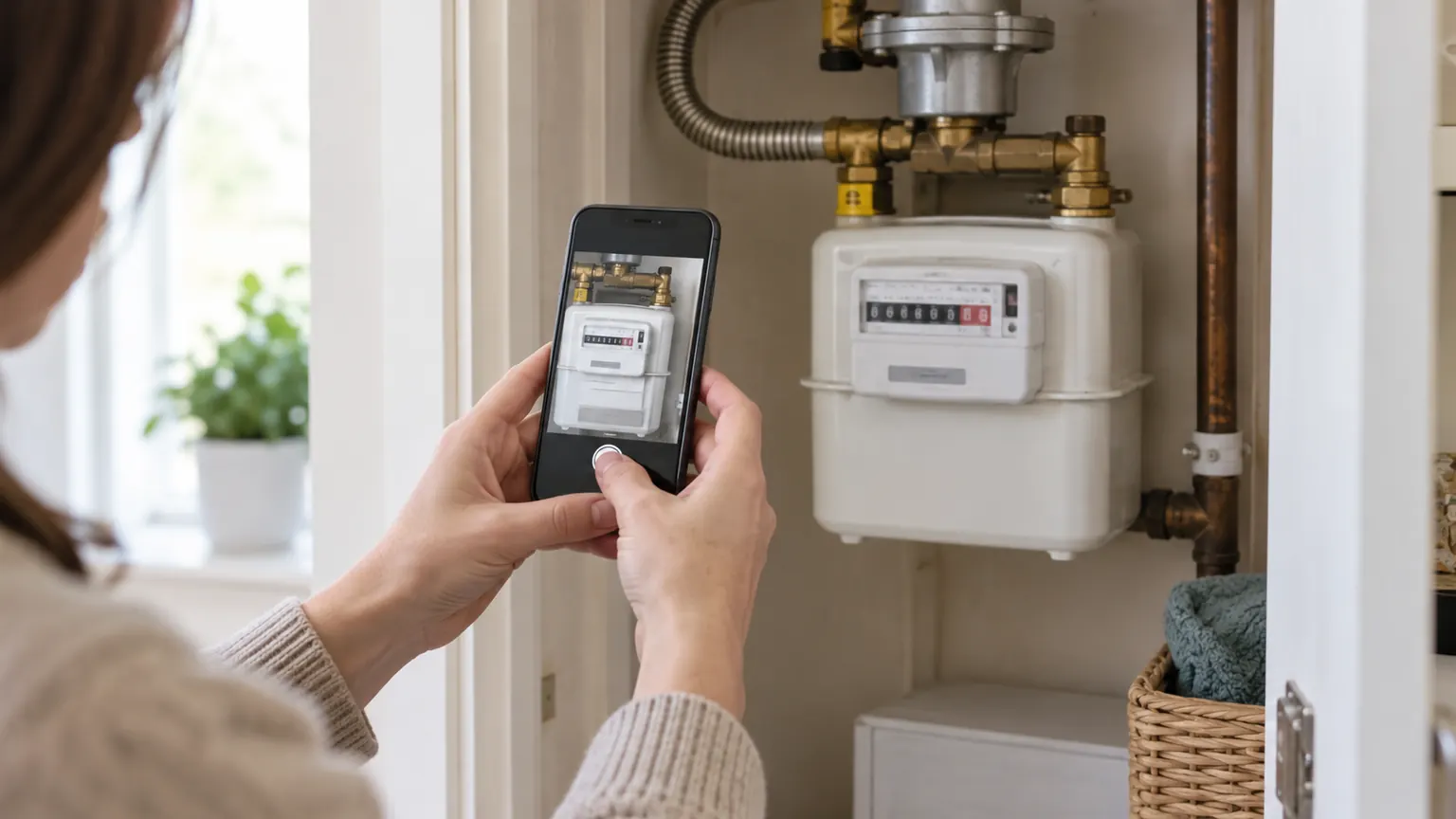
If you think you have a faulty gas meter, photograph the display and meter serial number, compare both with the bill, and check whether the bill uses an actual or estimated reading. Also check the meter is recorded as metric or imperial correctly. If the figures still do not make sense, contact the supplier that bills you for gas and ask it to investigate.
Meters can fail, but an unexpectedly high charge is often caused by an estimate, a mistyped reading, the wrong meter being linked to the account, a metric-versus-imperial mismatch, changed tariff rates or genuinely higher winter use. Work through those possibilities before requesting a formal accuracy test, because a supplier may charge its costs if an independently tested meter is found to be accurate.
Do not remove seals, open the meter, alter pipework or try to slow the reading. If you smell gas, see damaged pipework, or notice the meter moving when every gas appliance and pilot light is already off, treat that as a possible safety issue rather than a billing experiment. Follow our gas emergency steps and call the correct emergency number.
What can look like a faulty gas meter?
A blank or unreadable display, a reading that never changes while gas is being used, repeated error messages, visible damage or an unexplained jump can justify a supplier investigation. They do not prove the meter itself is inaccurate. A communications failure on a smart meter can stop automatic readings while the meter continues measuring gas correctly; our smart gas meter guide covers that separate problem.
Ofgem says damaged casing, broken seals, pipes that look out of place, a gas smell, or energy still being available when prepayment credit has run out can indicate damage, a fault or tampering. Do not attempt a repair. If a meter appears to record flow when every gas appliance and pilot light is already off, do not repeat the test or wait for the billing team: call 0800 111 999 in Great Britain or 0800 002 001 in Northern Ireland.
Make six checks against your bill
Photograph the reading and serial number, note the date and compare both with the bill, especially after moving home or a meter exchange. Check which digits should be submitted: metric meters show m³, imperial meters ft³ or cubic feet, and red or decimal digits are normally excluded. A supplier converts volume to kWh; confusing the units can produce a very large error. Our gas meter reading guide shows the common displays.
Compare like with like. A higher Direct Debit is not evidence of a fast meter, and a winter week is not comparable with a mild summer week. Check the billed dates, kWh per day, unit rate and standing charge. The high gas bill checklist separates payment changes, billing errors and real consumption.
- Reading: does the number on the bill match the photograph, allowing for later use?
- Status: is the bill marked actual, customer or estimated?
- Serial number: is the bill linked to the physical meter at your home?
- Units: does the account correctly identify m³ or ft³?
- Period: are the start and end dates and readings plausible?
- Tariff: are the unit rate and standing charge the rates you agreed?
Keep a short reading log without changing normal use
Your supplier may ask for daily readings over about seven days. Take them at roughly the same time, keep your routine normal, and note unusual events such as visitors, cold weather or a boiler fault. Photographs provide a trail and reduce transposed digits.
For example, a metric meter rising from 8,120 m³ to 8,132 m³ has recorded 12 m³. Using an illustrative calorific value of 39.5 and the prescribed volume correction factor of 1.02264, that is approximately 12 × 1.02264 × 39.5 ÷ 3.6 = 134.65 kWh. Use the calorific value on the bill for a closer comparison. This calculation checks the conversion; it does not prove whether the amount of gas used was reasonable.
Compare the converted kWh with the bill and similar weather. Do not force the boiler to run, switch off essential heating or attempt an unsafe “no flow” test. Send any unexplained pattern to the supplier and ask what it will check.
| Day | Whole-number reading | Context |
|---|---|---|
| Monday | 8,120 m³ | Normal heating and hot water |
| Thursday | 8,126 m³ | Colder day; normal routine |
| Monday | 8,132 m³ | 12 m³ used over seven days |
Use your own readings. Photograph the display and serial number, and do not include red or decimal digits in the whole-number reading.
What to ask your supplier to do
Report the problem to the gas supplier shown on your bill. State that you suspect a meter or billing fault, attach the evidence, and ask for a written explanation of the next steps. Citizens Advice says that in Great Britain a supplier must investigate a reported credit-meter fault, take action to help fix it and offer written confirmation within five working days. If it misses a qualifying standard, compensation may be due under the supplier guaranteed standards.
The supplier may compare readings, check account data, arrange an engineer or fit a temporary check meter. Ask for dates and what happens to bills meanwhile. If the meter is changed, photograph its final reading and serial number, then the replacement’s opening reading and serial number, and ask for written confirmation.
How an independent gas meter accuracy test works
In England, Scotland and Wales, the Office for Product Safety and Standards says you can ask your supplier for an independent accuracy test if the supplier’s investigation has not resolved your concern. The meter is removed, a replacement is installed, and the old meter is securely packaged and sent to an approved laboratory. An independent examiner tests it and sends a certificate to you, the supplier and the meter owner.
The certificate will say whether the meter is within the legal limits. If it fails, it may state how far outside the limits it was or that its readings were unreliable. The supplier should then correct the account, which may mean a refund or credit for over-billing, or a payment arrangement if the meter recorded too little.
The test itself is free, but GOV.UK warns that the supplier may charge you for arranging the test if the meter is accurate. The amount is not a fixed national fee. Ask for the exact potential charge, what it covers and when it would apply before agreeing. Also ask how the supplier will estimate corrected consumption if the meter fails.
Challenge an unresolved result and check regional rules
If you disagree with the supplier in Great Britain, make a formal complaint and keep the reference, evidence and dates. Ofgem says you can go to the Energy Ombudsman after eight weeks unresolved, or sooner with a deadlock letter. Ask for the readings, test report, reconstruction method, corrected bill and any credit, debt or compensation.
The OPSS test route applies to England, Scotland and Wales. In Northern Ireland, complain to the gas supplier first; the Consumer Council can help with unresolved billing and meter complaints. Use the gas bill calculator to sense-check normal readings, but treat the corrected statement and formal test as the account record.
Frequently asked questions
How do I know if my gas meter is faulty?
A blank display, persistent error or implausible movement can justify investigation, but first compare the bill reading, serial number, units and estimate status. Only a proper test can confirm accuracy.
Will I have to pay for a gas meter test?
In Great Britain the independent accuracy test itself is free, but your supplier may charge its costs for arranging removal, replacement and testing if the meter is found accurate. Ask for the exact possible charge before agreeing.
What happens if the gas meter test shows it is wrong?
The certificate records the failure. The supplier should correct the account, which could mean a refund or credit, or a payment plan if too little was billed.
Is a smart meter that stops sending readings faulty?
Not necessarily. It may still measure gas accurately while its communications are not working. Check the local display and bill, submit manual readings if requested and ask the supplier to investigate the smart-mode problem.
Who deals with a faulty gas meter in Northern Ireland?
Contact the gas supplier on your bill first. If the complaint remains unresolved, the Consumer Council for Northern Ireland can help with billing, meter and supplier-service complaints. Great Britain’s Ofgem, OPSS and Energy Ombudsman routes should not be assumed to apply.
Sources
Rates and rules checked on 12 October 2026. Time-sensitive figures should be checked again before use.
- GOV.UK: gas meters — independent testing of accuracy
- GOV.UK: gas meter readings and bill calculation
- Citizens Advice: check if your energy meter is not working properly
- Ofgem: what to do if you suspect meter tampering
- Ofgem: complain about your energy supplier
- Consumer Council: Northern Ireland energy complaints